
Masahiro Kato
Representative Director, Sato-no-Ie General Incorporated Association
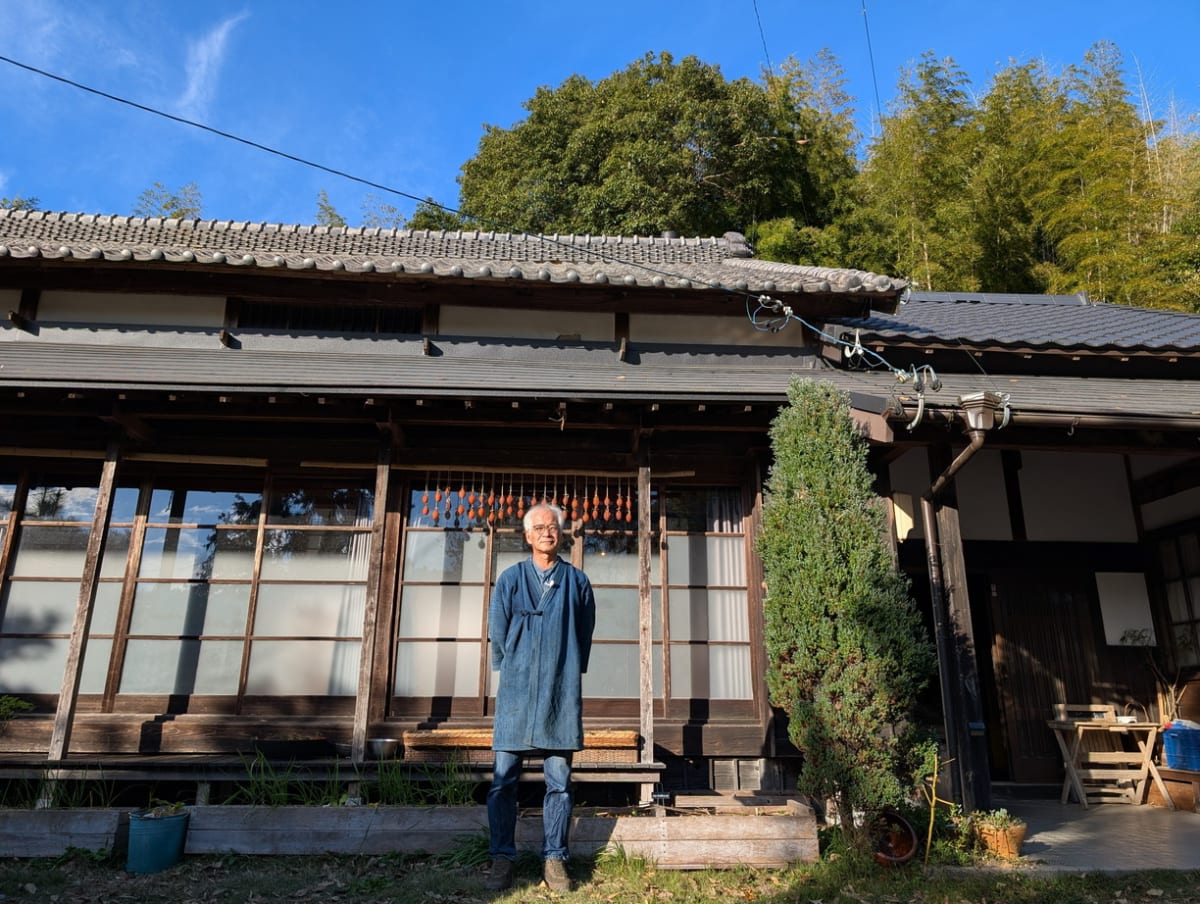
After graduating from a university architecture department, Masahiro Kato worked as an urban planning consultant, an environmental consultant and at an accounting firm. In 1995 he began working as a freelance advertising copywriter and planner. He moved to Miyakoda, renovated a 120-year-old old house as his base, and plans and runs hands-on educational programs with the keywords environment, children and nature.
Play Is Work, Work Is Life: A Story of "Circulation" Nurtured in the Forest of Miyakoda to Last 100 Years and Beyond
Interviewed on:
"Sato-no-Ie" in Miyakoda-cho, Kita Ward, Hamamatsu, overflows with the passion of Masahiro Kato, who once worked in urban planning and now carries on activities that pass the cycle of the satoyama (village woodland) on to the next generation. Along with an interview video of Mr. Kato, who embodies the appeal of the Enshu region, this article introduces his vision of a truly rich way of life.
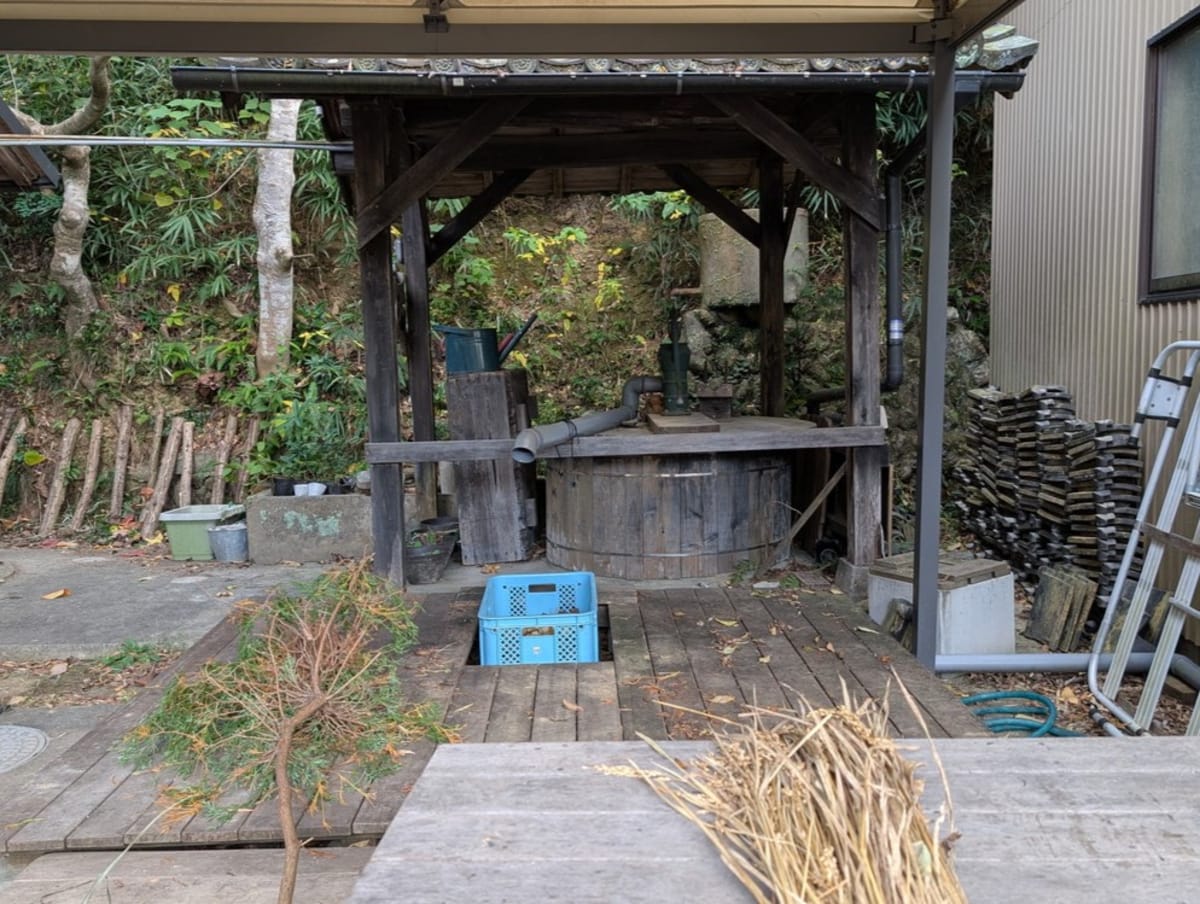
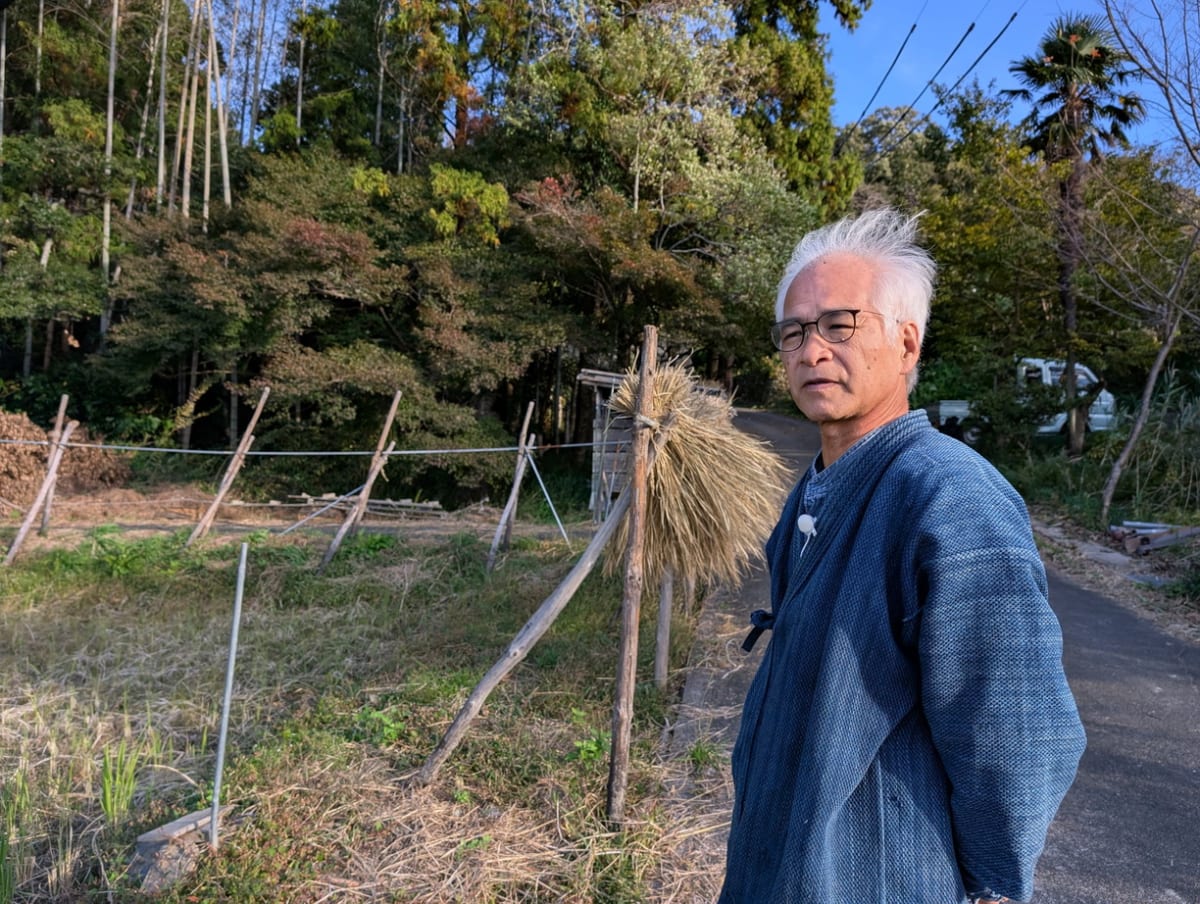
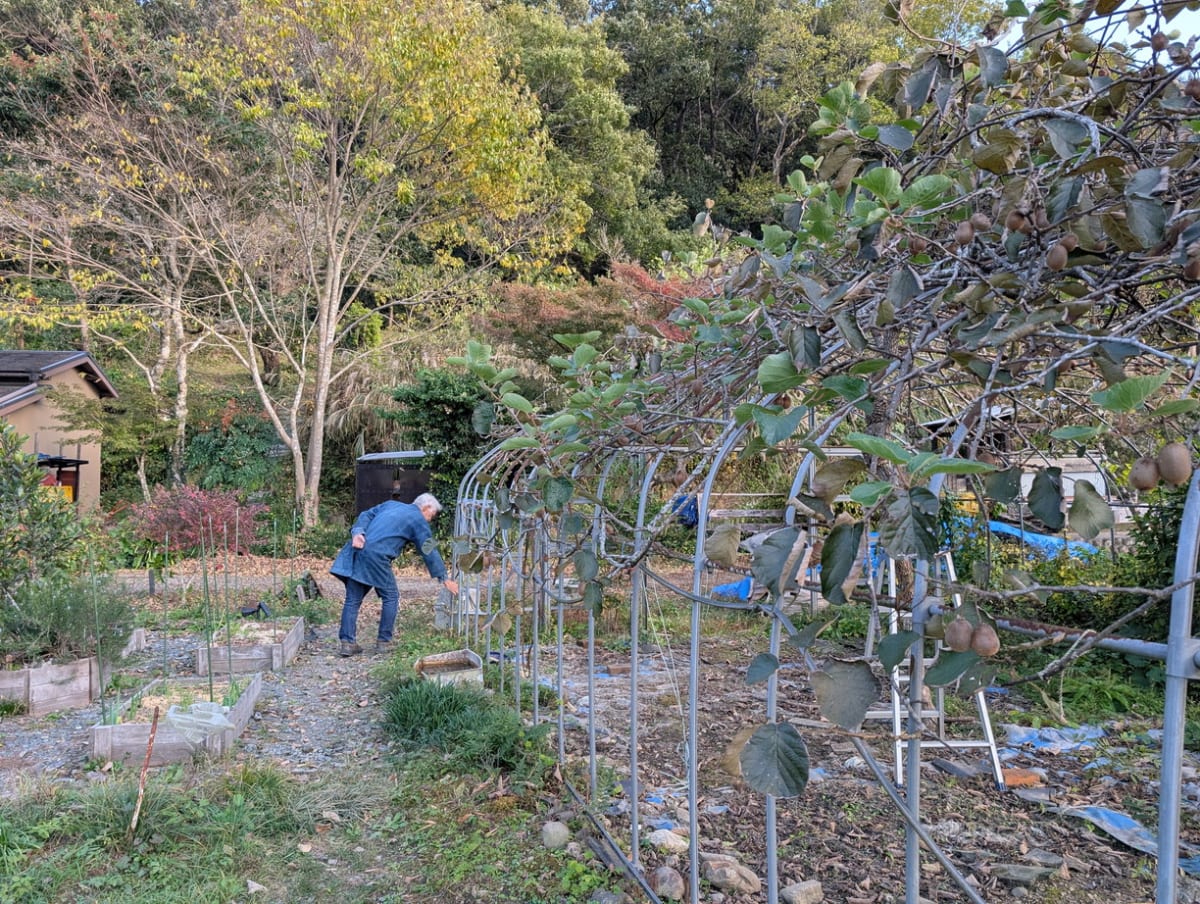
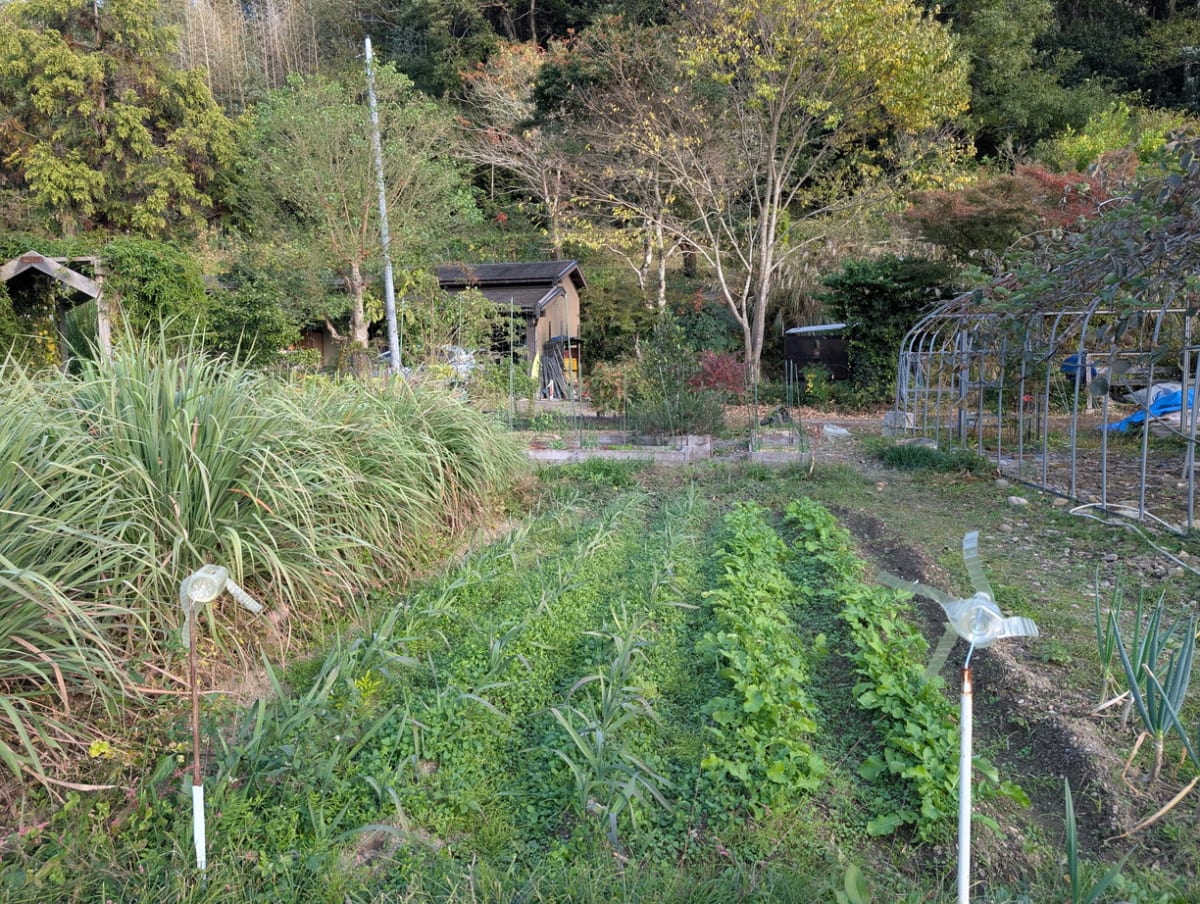
Mr. Kato used to work as an urban planning consultant in Nagoya. He studied architecture at university and spent his days pursuing urban infrastructure and convenience. Yet ever since he began to doubt the urban heat island phenomenon in high school, concern for environmental problems had always been in his heart. Inspired by books and the animated film "The Man Who Planted Trees," he intuited that "forest-making is what will save the environment!", and gradually came to feel the limits of existing urban systems. Drawn to the richness of the Enshu region, with its sea, mountains, rivers and its own economic sphere, he moved to Miyakoda. With "Sato-no-Ie" as his base, his new challenge began by practicing a circular lifestyle himself: splitting firewood, tilling fields, and returning fallen leaves to the soil.
The "Parent-and-Child Satoyama Experience Program," started in 2005, goes far beyond a simple nature experience. At Sato-no-Ie, children's play directly becomes the "work" of maintaining the satoyama. For example, gathering fallen leaves while playing helps make compost for the fields, and the children gain both a sense of self-worth, "I'm useful to someone," and a feeling of being part of nature's cycle. What Mr. Kato values is not praising with "good job" but a relationship where people thank each other with "thank you." Roasting marshmallows over a bonfire, harvesting shiitake mushrooms, "satoumi" experiences on Lake Hamana... Over nearly 20 years of activities, former participants have grown up and returned to this place. This kind of "circulation of generations" is steadily taking root in the forest of Miyakoda.
Mr. Kato always looks to the future. In recent years he has also put effort into after-school care on public holidays to support dual-income families, and food education programs inspired by the slow food movement. Sharing large platters of food and working together creates a "sharing" and "mutual understanding." Mr. Kato is convinced that this spirit is what will restore the affection that has grown thin in modern society and build a flexible local community that is resilient to disasters.
In the interview video, Mr. Kato talks more deeply about why he continues these activities while also working as a copywriter, and about the mysterious healing power of the old house in Miyakoda. Along with images of the autumn satoyama landscape and a lovely old-house life, we hope you will find hints for enriching your own life.
Photo Gallery
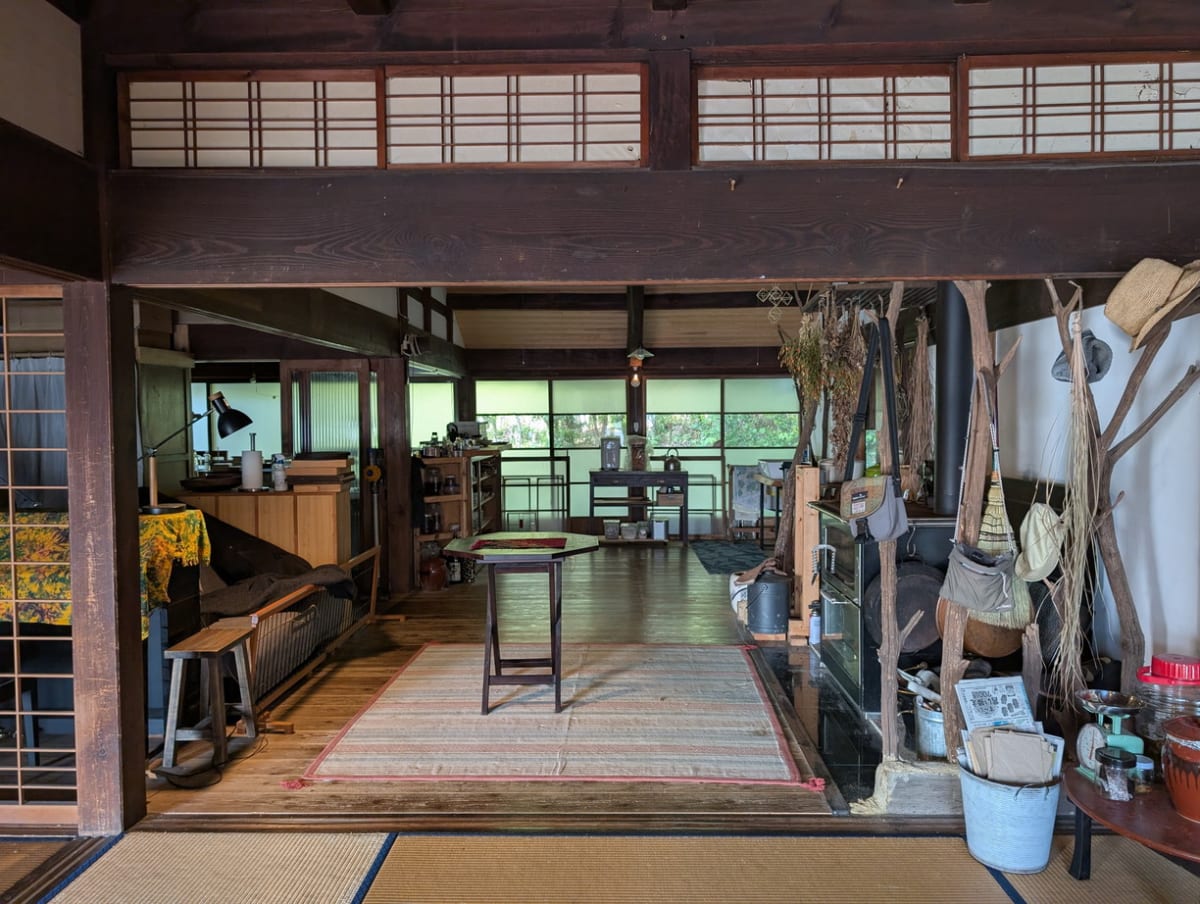
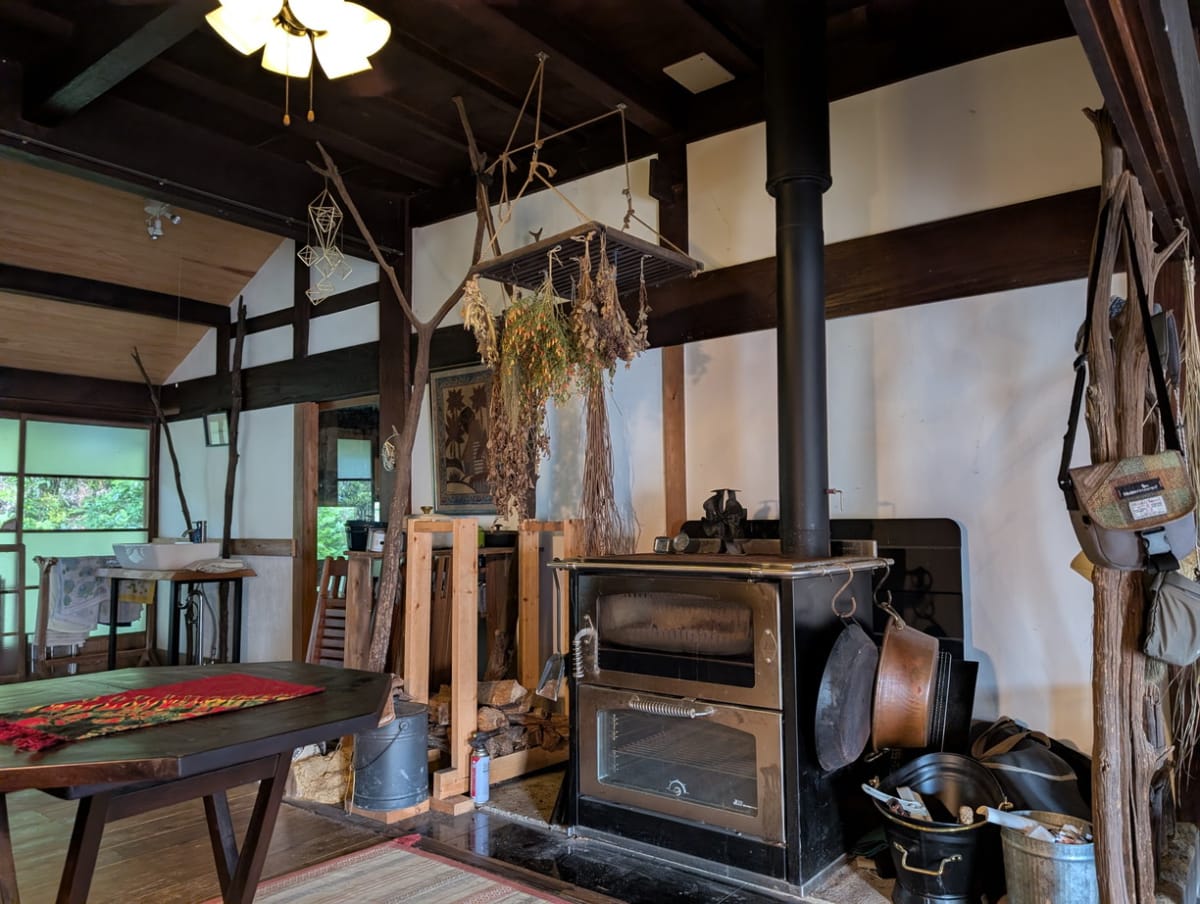
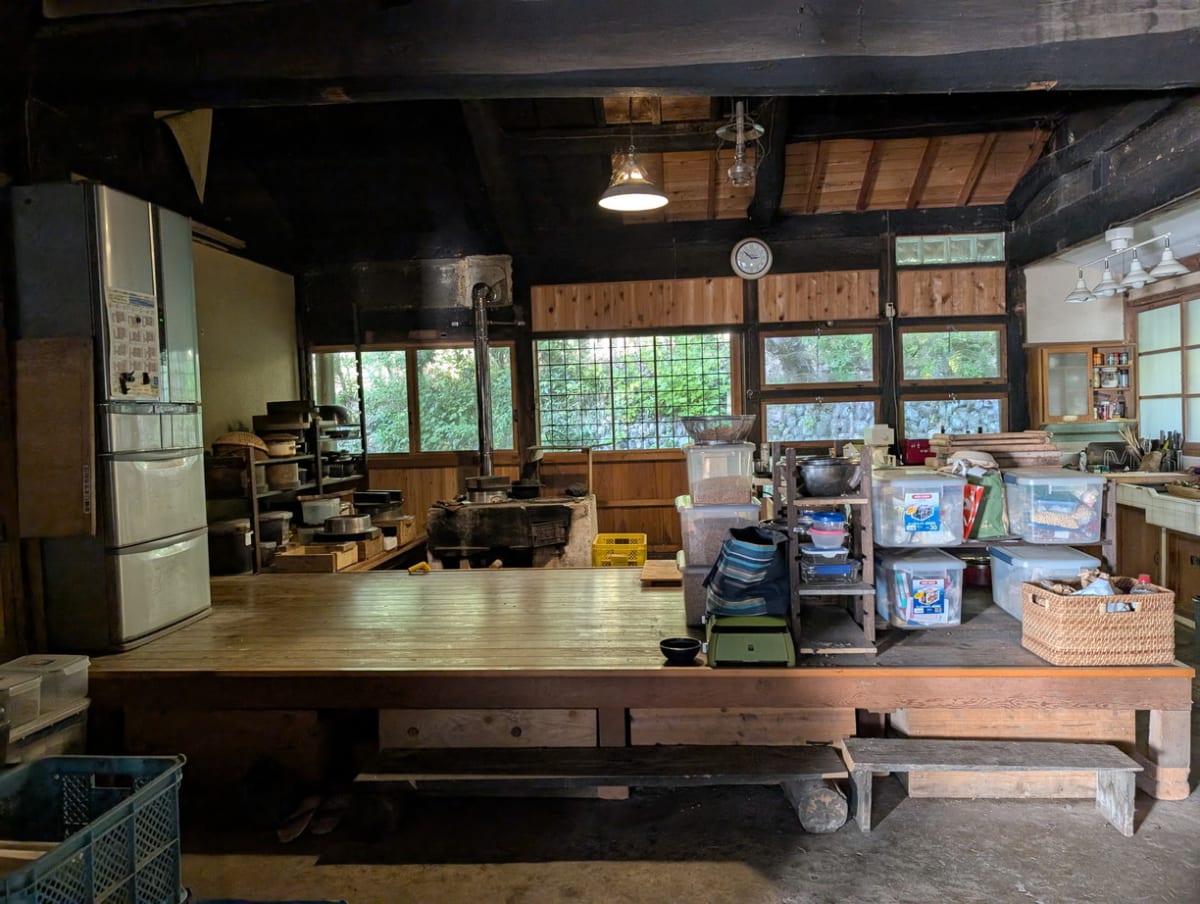
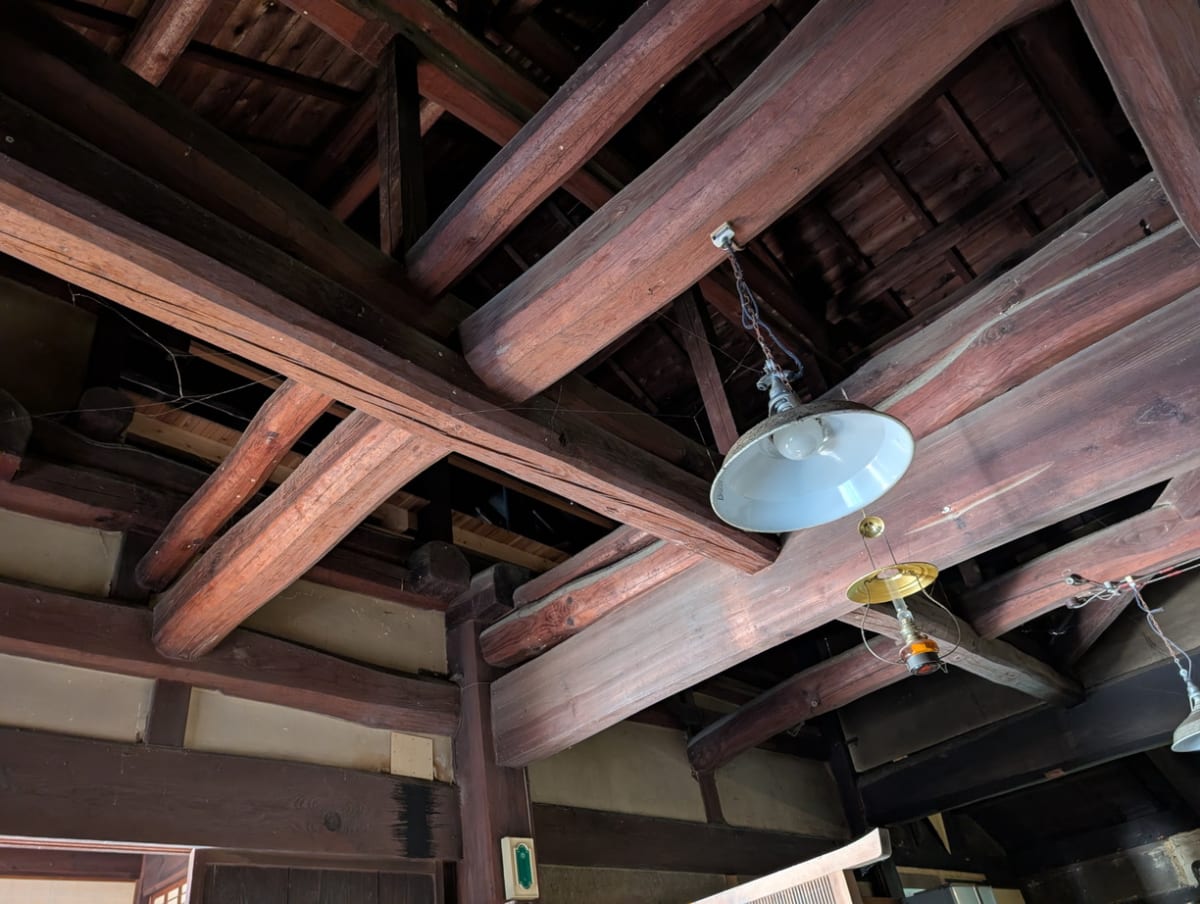
建築を専攻した加藤さんがプロと共に自らも手を入れて改装した室内。仕切りの少ない開放的な空間は、地域の大人も子どもも集う「分かち合い」の場です